
Someone who needs a family law attorney rarely calls the first name they see. They open several tabs, compare websites, read reviews, check whether the office is nearby, and look for signs that the firm handles cases like theirs. By the time they pick up the phone, they’ve usually narrowed the list to one or two options.
For attorneys, accountants, financial advisers, and other professional service providers, much of the hiring decision happens before any conversation takes place.
What Clients Look for When They Can’t Judge the Work Itself
Most people can’t evaluate legal or financial expertise directly, so they rely on visible clues. These trust signals include a clear description of the services offered, the professionals’ names and credentials, a real office address, consistent contact details, recent reviews, and a website that answers common questions without pressure.
Missing or conflicting information raises doubts. If a firm’s website lists one office but its online profiles show another, a cautious prospect may wonder which is current or whether the firm is still active.
Showing Expertise Without Overpromising
Professional service providers face an added challenge: many professions have rules about advertising. Attorneys, for example, must follow their state’s rules on lawyer advertising, which often restrict statements about past results or comparisons with other lawyers. That makes plain, accurate information even more valuable.
Instead of claiming to be “the best,” explain how you work. A short page describing what an initial consultation includes, which practice areas you handle, and which documents a client should bring tells readers far more. Attorney bios that list bar admissions, education, and professional memberships give prospects facts they can verify. Answering frequent questions in simple language helps people, and it also gives search engines and AI-powered tools clear content to interpret.
Making Your Information Easy to Verify
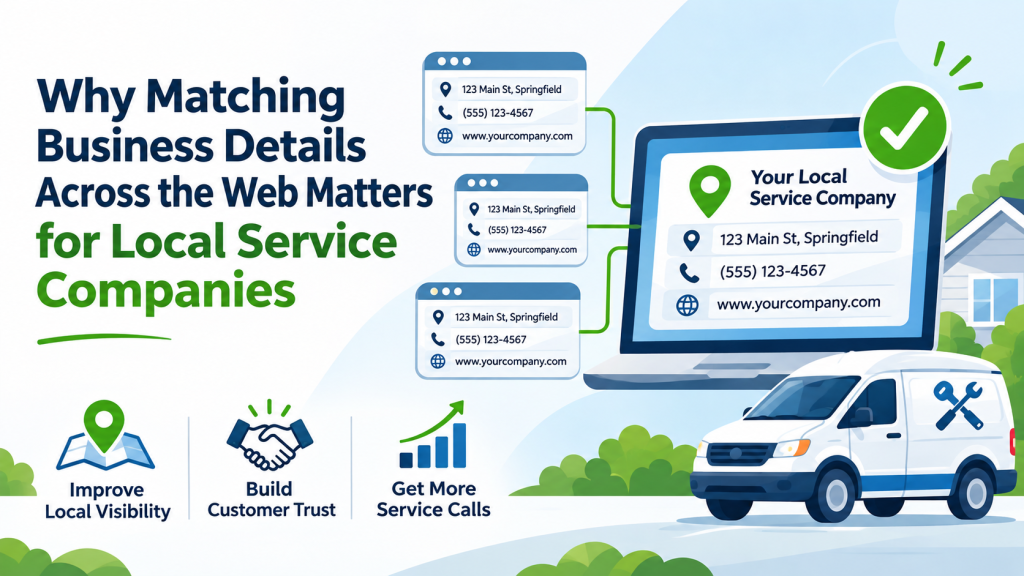
Clients often double-check a firm across several sources. Keep your Google Business Profile complete, and make sure your name, address, phone number, and hours match on your website and in every directory where you appear.
A general business directory can be one of those verification points. A law office listed among other Law Services providers on downtownlists.com/ sits alongside legal businesses that someone comparing options might browse. A listing won’t replace a strong website or good client relationships, but it gives prospects one more place to confirm your details.
Common mistakes to avoid include outdated attorney rosters, broken contact forms, stock photos presented as your team, and review replies that reveal confidential client information.
The Bottom Line
Trust in professional services comes from many small, consistent details. Review your website, profiles, and listings from a prospective client's point of view, fix anything outdated, and favor clear facts over bold claims. If your firm isn't listed on downtownlists.com/ yet, adding an accurate profile is a simple step toward being easier to find and verify.
Frequently Asked Questions
Can attorneys respond to online reviews?
Yes, but carefully. Lawyers must protect client confidentiality, so a response should never confirm that the reviewer was a client or discuss case details. A brief, professional reply that thanks the person or invites them to contact the office directly is usually the safer approach. When in doubt, check your state bar’s guidance first.
Which credentials should a professional services website display?
Include information clients can verify, such as licenses, bar admissions, certifications, education, and active professional memberships, along with the states where each professional is licensed. Avoid displaying awards or badges without explaining what they are or who granted them, since unclear credentials can raise more questions than they answer.
Does a small practice need a separate page for each service?
Not always, but it helps when each service involves different questions. An estate planning page and a probate page, for example, serve people at very different moments. Separate pages let you answer those needs clearly. Avoid creating thin pages that repeat the same text under a different heading, because they add little value.
How often should a law firm update its online profiles?
Review them at least every few months and immediately after any change, such as a new attorney, a new office, different hours, or a new phone system. Even firms that rarely change benefit from regular checks, because outside sites sometimes alter listings through user suggestions or automated data updates.

Downtownlists.com Team
We help people find the best local businesses in their area and help businesses connect with local customers across the USA.